
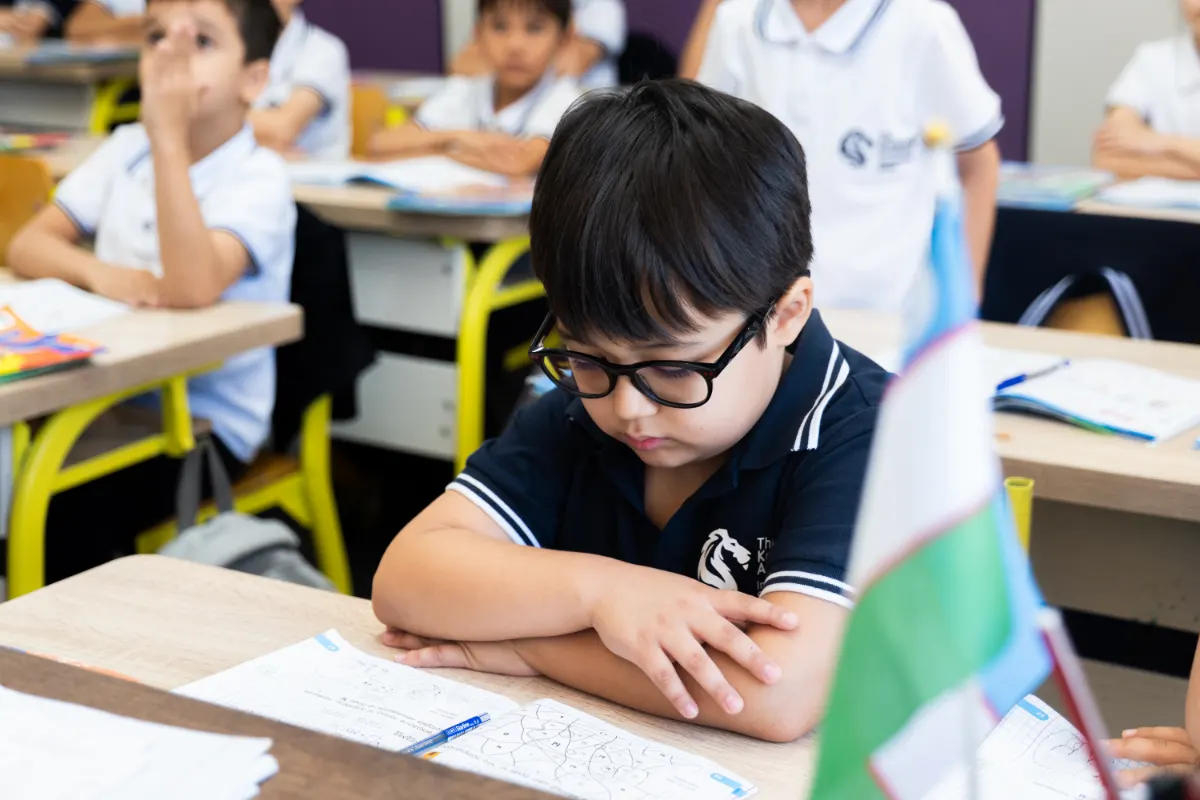


A pupil at work in class.

Pastoral Care

Students are most able to flourish when they are known, safe and expected to grow.

Explore this section

To be known, to belong, to grow.

An ambitious education rests on relationships. At The Knowledge Academy, care means noticing the student behind the work: their friendships, confidence, concerns and changing responsibilities. Our approach connects learning and wellbeing, with a clear expectation that asking for help is a sensible and welcome step.

At The Knowledge Academy
Pastoral care

Known as a person, supported as a learner

A demanding education depends on trust. Students need adults who notice a change, listen carefully and respond appropriately. A concern about learning, friendships or belonging deserves attention before it becomes a barrier to participation.

Families should begin with the class teacher or school team, explaining what they have noticed and what has helped before. A useful conversation establishes the next step, the person responsible and how progress will be discussed.

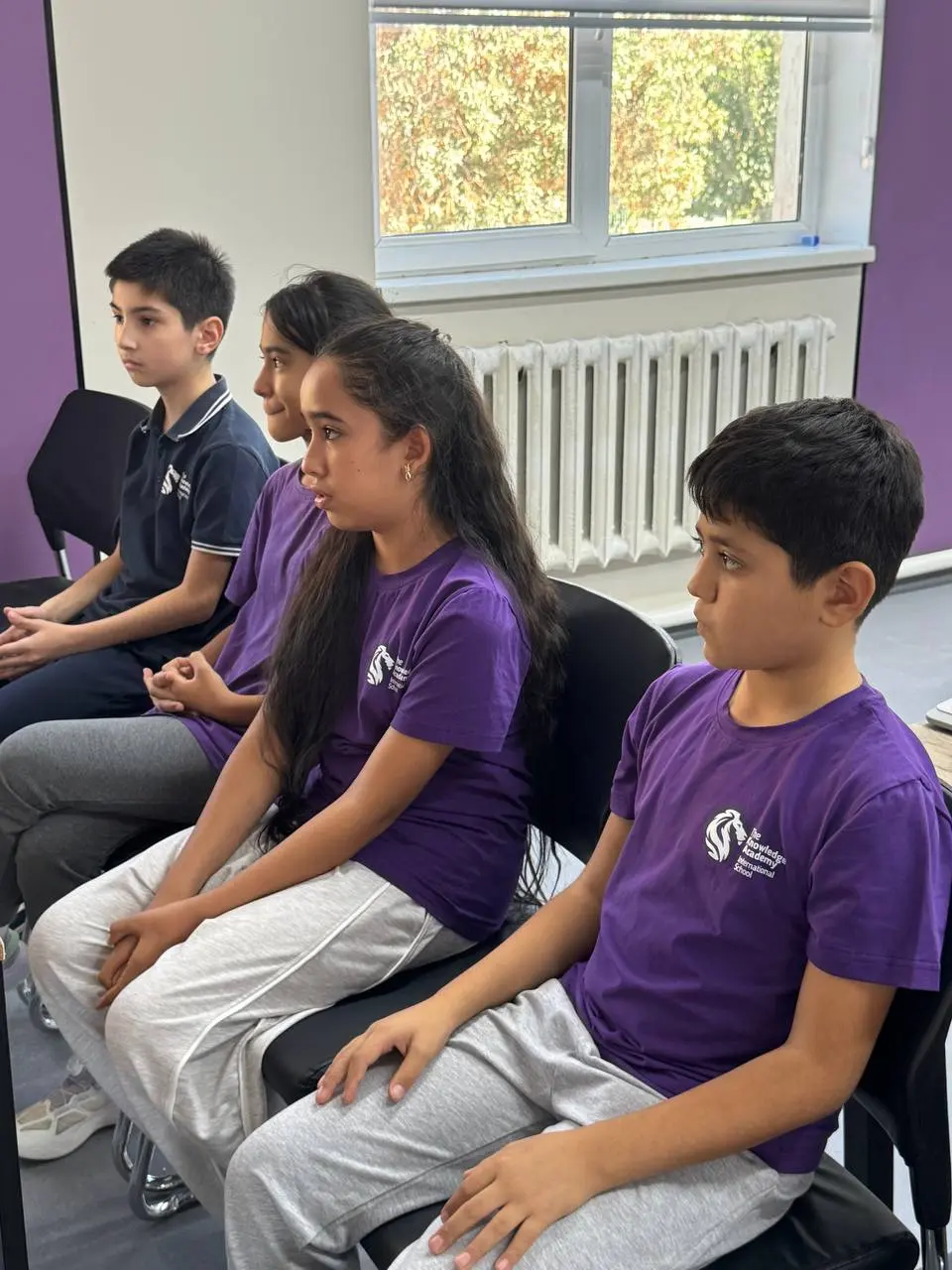
Students at The Knowledge Academy.
Belonging & responsibility

Independence with someone to turn to

As students grow, they take greater responsibility for routines, relationships and decisions. Guidance remains essential. Seeking help, acknowledging a mistake and supporting a peer without taking on an adult’s responsibilities are signs of maturity.

Respect includes behaviour online and the way disagreements are handled. Students and parents should bring concerns about exclusion, unkindness or safety directly to a trusted adult at school. Contact the school to discuss the current support and reporting arrangements.

A primary teacher working with pupils at the whiteboard.
Shared reading — illustrative classroom photograph.
Joining & belonging

The first weeks deserve particular care

Joining a school brings questions that are easy for adults to overlook: where to go, whom to sit with, how to ask a question and what happens when something goes wrong. Familiar routines and patient explanations matter. We want a new student to feel able to participate before expecting complete confidence.

Families can help by sharing what has made previous transitions easier, any concerns about language or friendships, and changes that may affect the school day. As students move between stages, the conversation shifts towards organisation, confidence in new subjects and appropriate independence.

A concern becomes a shared next step

When something is troubling a student, begin with a clear account of what has happened and what has changed. A conversation with the class teacher or school team can bring together observations from home and school. Useful next steps identify who will act, what the student needs to know and when the situation will be reviewed.

Students should not be asked to resolve serious concerns alone. They can speak to a trusted adult; parents can contact the school directly. Respectful communication also means handling personal information carefully and keeping the focus on the student’s safety, dignity and ability to take part in school life.

Experience The Knowledge Academy.

Meet the people, see the learning and ask the questions that matter to your family.

Arrange a Visit
Photograph credits